Reduced Rework
Rework on a construction site can eat up a significant share of a project’s budget. Guided grading means the cut is closer to correct the first time, rather than digging, checking, and re-digging.
iDig Technology
Machine-guidance capability supporting repeatable excavation depths, levels and grading outcomes on suitable projects.
Clear scope. Clean result.
Good iDig-guided excavation solves more than digging accurately. We consider plan compatibility, calibration, site reference points and precision requirements before machinery arrives.
For iDig technology projects across Perth, our operators combine practical site experience with modern GPS-guided equipment and a disciplined approach to finish. You receive a clear scope, an agreed plan and communication throughout the work.
Perth iDig Technology is one part of the wider earthworks capability we bring to residential, rural, commercial and civil projects.
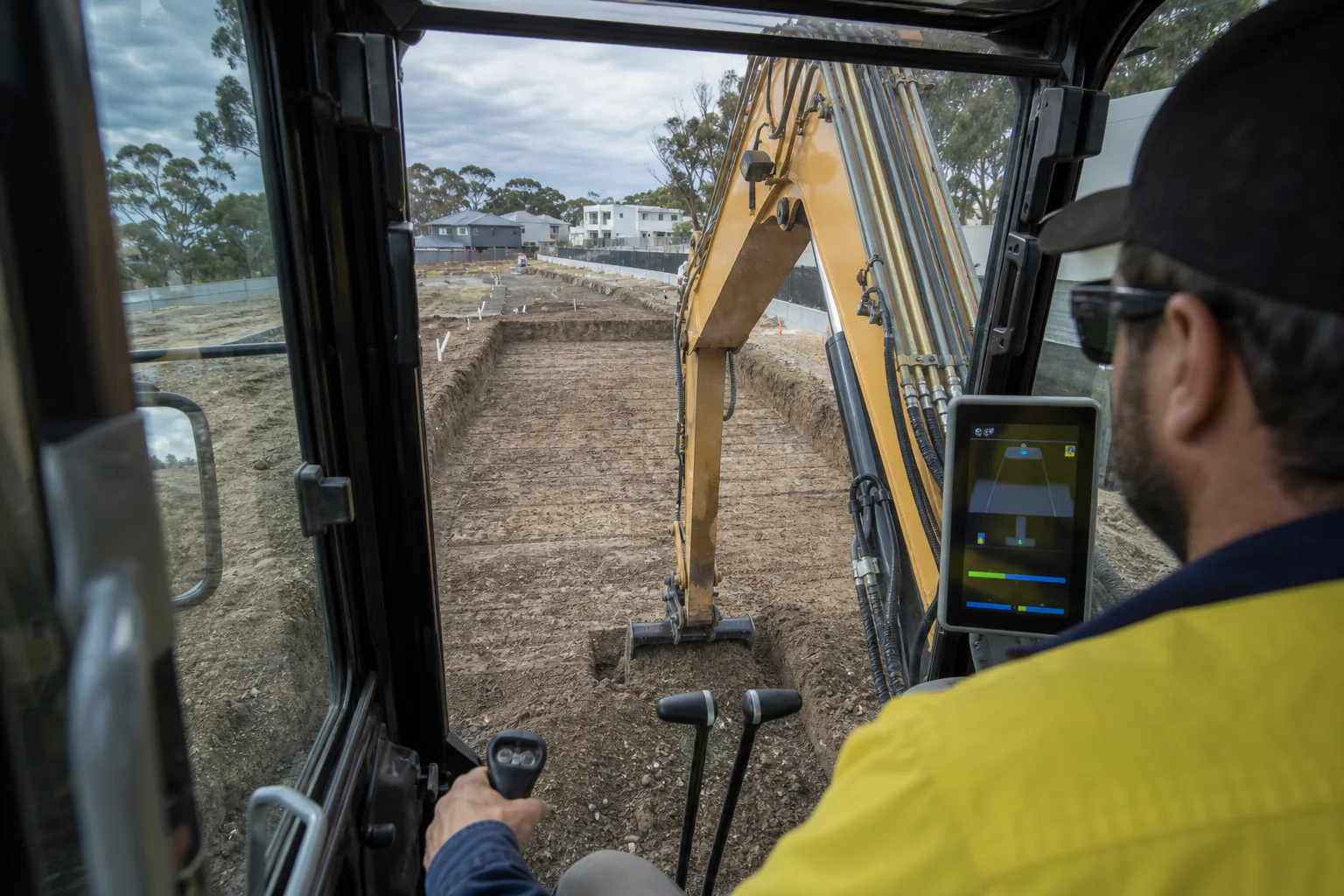
iDig is a machine control system fitted to excavators, giving operators real-time guidance on depth, distance, and slope directly from the cab. The system uses a control box, an LED bargraph display, and a small number of sensors mounted on the excavator’s boom and stick, without the tangle of cables older systems relied on. It runs on solar-powered, wireless sensors, and pairs with GNSS (GPS) positioning to help operators set out and check points without waiting on a surveyor.
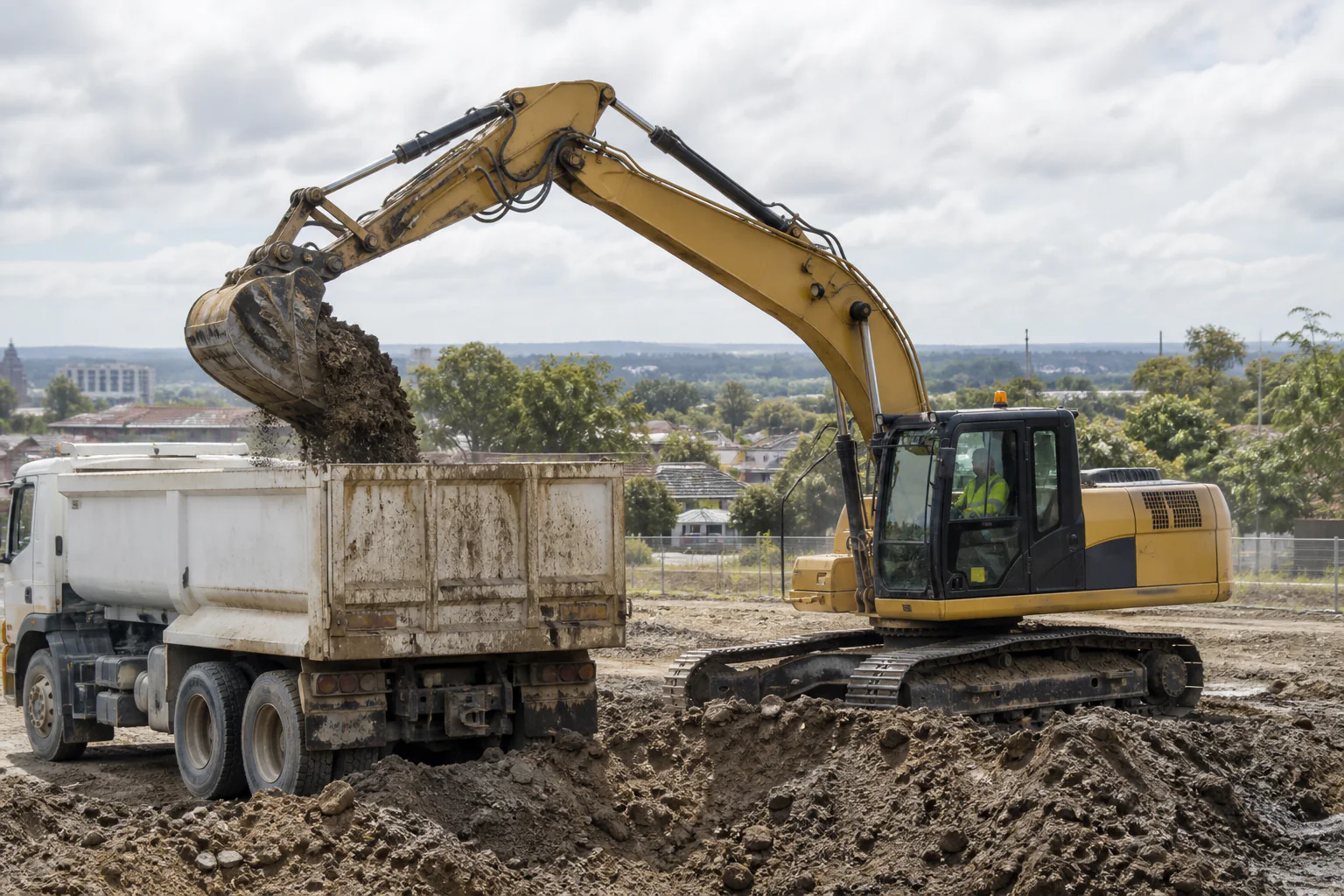
The system determines the excavator’s position using laser or GPS technology and makes real-time adjustments to keep the bucket within the specified tolerances for the job. The LED display sits in the same field of vision as the bucket, so the operator can see how close they are to grade without stopping to measure manually or calling someone over to check with a level. Accuracy typically runs to around 10 mm, or 3/8 of an inch, which is precise enough for footings, trenching, and finished grading work.
Because the system isn’t hardwired into a specific machine, it can be calibrated and moved between excavators reasonably quickly, which matters on a job where more than one machine might be in use across a site.
Rework on a construction site can eat up a significant share of a project’s budget. Guided grading means the cut is closer to correct the first time, rather than digging, checking, and re-digging.
iDig removes the need for frequent manual grade checks, which is particularly useful in trenches where stopping to check levels is slower and riskier.
The system is used across excavation, foundations, trenches, slopes, embankments, and civil work like roads, utilities, and drainage channels, giving consistent results whether the task is a residential driveway cut or a subdivision-scale civil job.
Operators have noted the shift to guided systems reduces the physical demands of the work while improving both speed and finished quality.
On our projects, iDig-guided excavation is most valuable on jobs where precision genuinely affects the outcome—footing and trench work needing exact depth and fall, civil and subdivision-scale earthworks working to engineering plans, and larger grading jobs where consistent levels across a big area save real time. It’s one more way we bring modern equipment to a traditional trade, without losing the on-the-ground judgement an experienced operator still brings to every site.
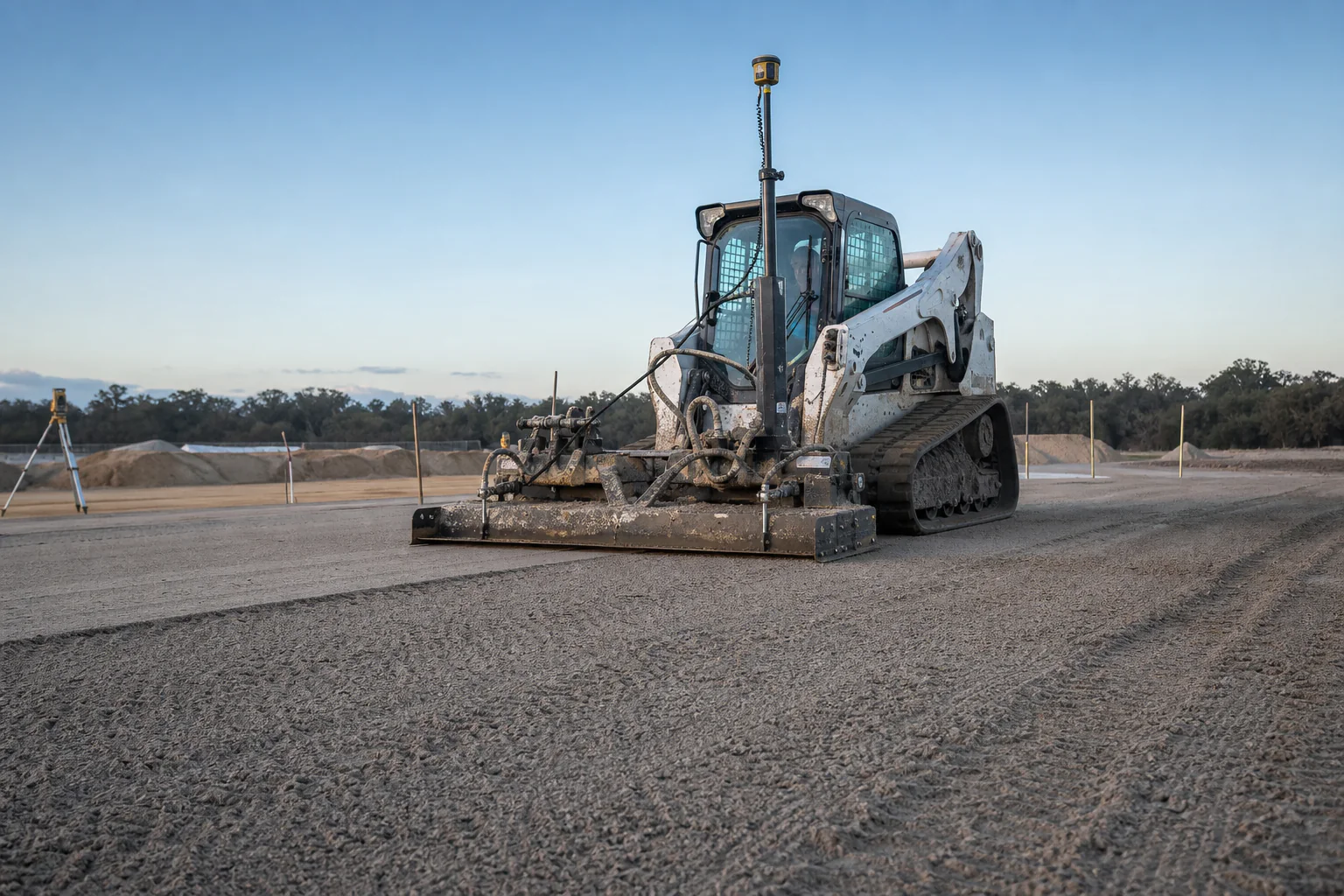
iDig technology allows our machinery to achieve highly accurate depths and grades, reducing guesswork and improving precision compared to traditional excavation methods alone.
With guided digital positioning, the risk of over-excavation or incorrect grading is significantly reduced, saving time and material costs across your project.
iDig technology speeds up excavation and grading tasks by removing much of the manual checking traditionally required, keeping your project moving efficiently.
Digital guidance ensures consistent results across large or complex sites, maintaining accuracy even across extended excavation or grading runs.
iDig systems can work directly from digital plans, ensuring excavation matches engineering specifications precisely without manual translation errors along the way.
By using this technology, we deliver more accurate, efficient results for your project, reflecting a modern approach to earthworks and excavation precision.
Frequently paired with Bobcat Hire, Excavator Hire, Tipper Truck Services, Mini Digger Services and connected preparation tasks where access, levels and clean handover matter—all part of our specialty and equipment-based capability.
Plant and attachments are selected after access, reach, ground conditions, material volume and the required finish have been reviewed.
Requirements vary by council, property and scope. Relevant approvals, service locating and site controls must be confirmed before work begins.
What shapes the price
No two sites price the same. These are the factors that move an iDig technology quote most.
Larger projects utilising iDig technology across extensive areas may have different pricing considerations than smaller, more contained tasks.
Projects requiring precise adherence to complex engineering plans may involve additional setup time affecting overall cost.
GPS-guided machinery may have different hire or usage costs compared to standard excavation equipment without this technology.
While iDig technology can reduce rework costs, initial setup and calibration time is factored into overall project pricing.
Capability in context
Using our iDig-equipped machinery means you’re also getting access to our full excavation and earthworks fleet if your project needs more than precision digging alone. Rather than sourcing separate equipment for additional excavation, grading, or material handling, we already have it on hand. That means precise, technology-guided results backed by the full capability of an established local earthworks team.
Scope clarity
Machine guidance replaces guesswork, not survey. The scope is clear about which is which.
Why choose us
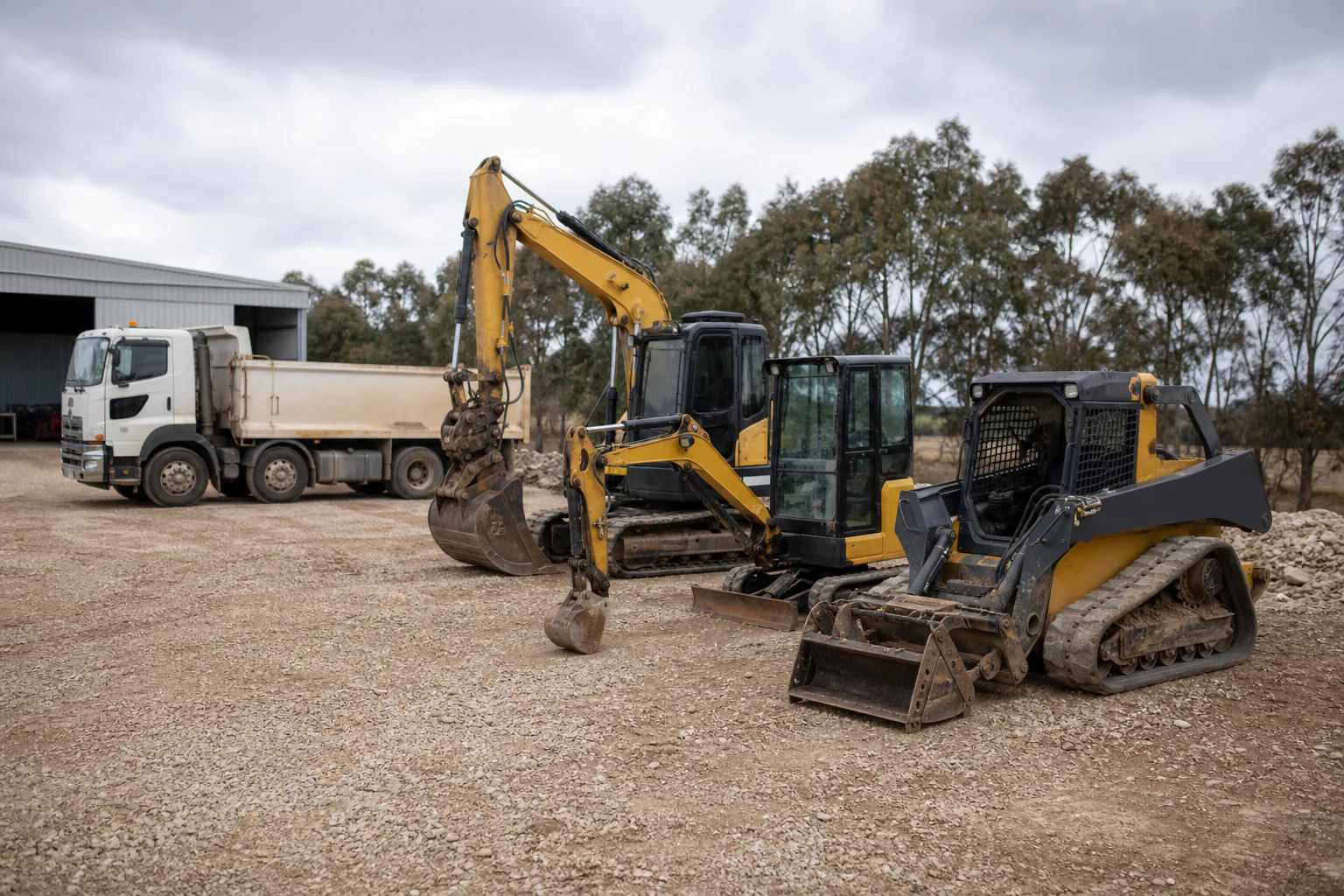
Precision matters in excavation, and iDig technology gives us a level of accuracy that traditional methods alone simply can’t match. Our GPS-guided excavators achieve highly accurate depths and grades, significantly reducing the guesswork and rework that comes with conventional excavation approaches. This reduced risk of over-excavation or incorrect grading saves both time and material costs across your project, while delivering consistent, repeatable accuracy even across large or complex sites.
The technology works directly from digital engineering plans where available, ensuring excavation matches specifications precisely without manual translation errors along the way. For Perth projects where precision genuinely matters, whether that’s a complex commercial site or a project with tight engineering tolerances, iDig technology reflects a modern, more efficient approach to earthworks. It’s this commitment to using the best available tools that sets our excavation service apart from more traditional operators.
Before machinery arrives
Machine guidance works from data rather than guesswork. These four make sure the data is there.
Ensure machinery can move freely across the site to make full use of GPS-guided precision without obstacles interrupting the planned path.
Have your engineering or design plans ready in digital format where possible, allowing the technology to work directly from accurate specifications.
Point out any existing survey markers or reference points on-site, helping calibrate the guided system accurately from the start.
Ensure depth, grade, and dimension requirements are clearly documented beforehand, allowing the technology to deliver its full precision benefit.
Areas we serve
iDig technology really earns its keep on growth corridor and civil-scale projects, where precision excavation matters most for subdivision and infrastructure work.
We’ll bring it to any complex project across greater Perth that needs that level of accuracy.
Frequently Asked Questions
We service the Perth metropolitan area and can assess regional or rural projects by arrangement. Add your suburb to the quote request and we will confirm availability.
That depends on the scope, access and information available. Straightforward work may be assessed from plans and photographs, while complex sites usually benefit from an inspection.
Requirements vary by council, property and project scope. Confirm the applicable requirements before work begins; we can help identify questions to raise with the relevant authority.
The service range covers residential, rural, commercial and civil work. Final suitability depends on access, program, plant requirements and the confirmed project scope.